


















The escalating conflict between Israel, Iran, and the United States in 2026 has become one of the most significant geopolitical crises affecting global economic stability. As military tensions intensify across the Middle East, the consequences are already being felt in energy markets, global trade, stock markets, and inflation worldwide.
For countries like India, which depend heavily on global oil imports and Middle Eastern trade routes, the economic ripple effects could be substantial.
Background of the 2026 Conflict
The crisis escalated in late February 2026 when joint U.S. and Israeli military strikes targeted Iranian military infrastructure, triggering retaliatory missile and drone attacks by Iran. The conflict also spread across regional territories including Gulf states and Lebanon.
This escalation disrupted major shipping lanes and energy infrastructure, creating uncertainty in global markets.
Global Market Impact of the War
1. Oil Prices and Energy Markets
One of the biggest impacts of the conflict has been on global energy supplies.
The Strait of Hormuz, through which about 20% of the world’s oil supply passes, has experienced severe disruptions due to military tensions and shipping risks.
As a result:
- Brent crude oil prices surged significantly.
- Energy markets became highly volatile.
- Analysts warned oil prices could reach $100 per barrel if disruptions continue.
Higher oil prices directly affect transportation, manufacturing, and global inflation.
2. Stock Market Volatility
Global stock markets reacted quickly to the geopolitical shock.
Major stock indices in the US, UK, and Asia dropped sharply, while investors shifted money into safe-haven assets like the U.S. dollar.
Financial markets worldwide experienced:
- Falling equity indexes
- Rising bond yields
- Increased currency volatility
These movements reflect uncertainty about economic growth and supply chain stability.
3. Global Inflation and Supply Chain Risks
The conflict has also disrupted key commodity markets beyond oil.
For example, fertilizer production in the Middle East has been affected, raising concerns about global food price inflation and agricultural supply chains.
If the conflict continues, it could lead to:
- Higher food prices
- Increased manufacturing costs
- Global inflation pressure
Impact on the Indian Economy
Although India is not directly involved in the conflict, the country remains economically exposed due to its strong links with the Gulf region.
1. Oil Dependency
India imports more than 80% of its crude oil, much of it from Middle Eastern countries.
Because of this dependency:
- Rising oil prices increase India’s import bill.
- Fuel prices may rise domestically.
- Inflation pressures may increase.
2. Rupee and Stock Market Pressure
Financial markets in India have already shown signs of stress.
The conflict has triggered:
- Declines in equity markets
- Weakening of the Indian rupee
- Increased bond yields and investor caution
Foreign investors often move funds to safer assets during geopolitical crises, affecting emerging markets like India.
3. Trade and Logistics Disruptions
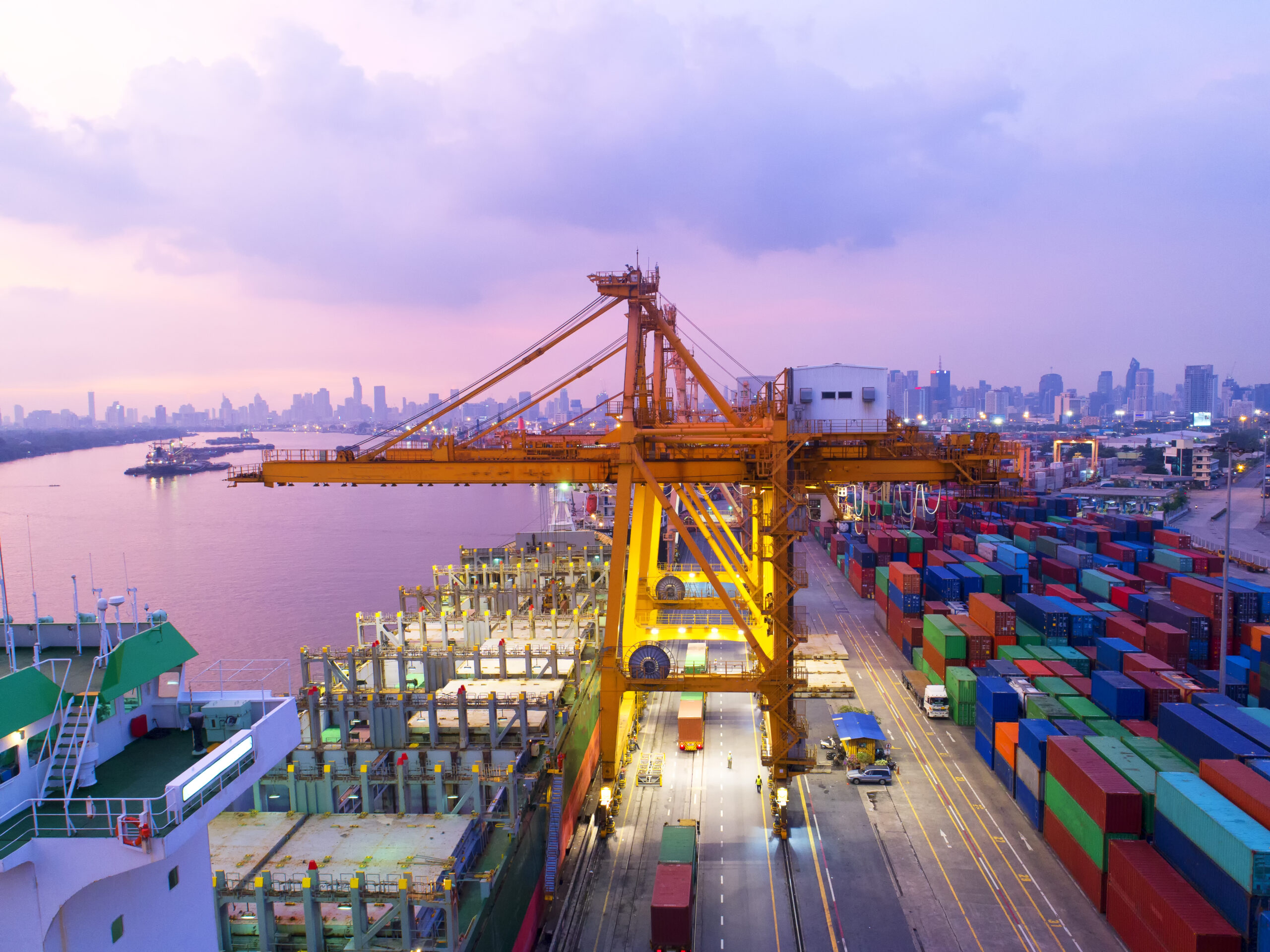
The war is also affecting shipping routes, aviation corridors, and freight costs across the Middle East.
This could lead to:
- Higher shipping insurance costs
- Delays in exports and imports
- Increased logistics expenses for businesses
Industries such as manufacturing, chemicals, textiles, and engineering exports could face margin pressure.
4. Remittance Risk
The Middle East is home to millions of Indian workers.
India receives billions of dollars annually in remittances from the Gulf region. If regional economies slow down due to conflict, remittance flows could also decline, affecting household incomes in India.
Which Global Sectors Are Most Affected
Several industries worldwide are sensitive to geopolitical conflicts in the Middle East.
High-risk sectors
- Oil & gas
- Aviation and airlines
- Shipping and logistics
- Fertilizer and agriculture
- Global trade industries
Moderate impact sectors
- Manufacturing
- Export businesses
- Tourism and hospitality
Low impact sectors
- IT services
- Digital services
- Local domestic businesses
Possible Future Scenarios
The economic impact of the conflict depends on how long the war continues.
Scenario 1: Short-Term Conflict
- Temporary oil price spike
- Short-term stock market volatility
- Limited economic impact
Scenario 2: Prolonged War
- Oil prices above $100 per barrel
- Global inflation rise
- Slower economic growth worldwide
Scenario 3: Regional Escalation
- Major energy supply disruptions
- Global recession risks
- Severe financial market instability